
Trusted Worldwide Questions & Answers
Most Recent Dell EMC DEE-1421 Exam Dumps
Prepare for the Dell EMC Isilon Expert Solutions exam with our extensive collection of questions and answers. These practice Q&A are updated according to the latest syllabus, providing you with the tools needed to review and test your knowledge.
QA4Exam focus on the latest syllabus and exam objectives, our practice Q&A are designed to help you identify key topics and solidify your understanding. By focusing on the core curriculum, These Questions & Answers helps you cover all the essential topics, ensuring you're well-prepared for every section of the exam. Each question comes with a detailed explanation, offering valuable insights and helping you to learn from your mistakes. Whether you're looking to assess your progress or dive deeper into complex topics, our updated Q&A will provide the support you need to confidently approach the Dell EMC DEE-1421 exam and achieve success.
The questions for DEE-1421 were last updated on Sep 1, 2026.
- Viewing page 1 out of 12 pages.
- Viewing questions 1-5 out of 60 questions
A company has 7 PB of PACS archive data on their Dell FMC Isilon cluster. The PACS application currently creates and stores large containers of small files. Based on local healthcare regulation changes, the company can no longer use large containers of small files. As a result, the company wants to know if Isilon can support the new regulatory PACS requirement while maximizing the storage capacity for small tiles
Which licensed feature should be activated?
SPECIAL INSTRUCTIONS
The remaining Part1 questions are associated with four case studies that describe various environments or settings. Each case study appears on its own display screen. Questions for each case study will appear on separate display screens.
When displaying a question, you can easily review the related case study by clicking on the ''Review Case Study'' icon shown below:
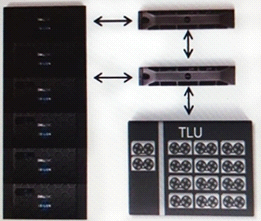
Case Study 5 -- Refer to the Exhibit.
Backing up data from a Dell EMC Isilon cluster exceeds the company's backup window. Because the company has a large amount of data with a continuous high growth rate, they want to change their backup strategy. The Gen 6 Isilon cluster consists of 24 nodes. Their current backup strategy is an NDMP three-way backup performing weekly full backups to tape and incremental backups each night. The strategy uses Dell EMC NetWorker. The DMA uses Include paths to specify what data to backup. All data on the cluster must remain accessible.
The company's IT team is now looking for a method to increase the performance of their backups. After some investigations, you notice that the backup job quiesces the file system. This is creating lock contention issues on open files and not allowing users full access to data when the backup job runs.
What advice should be provided to the team to eliminate lock contention and allow full access to users?
Which combined solution addresses the company requirement for D@RE and U>S SEC 17a-4(1)?
The :''nfs2'' file system has been experiencing delays that have been impacting the entire Dell EMC Isilon cluster. Neither Snapshots nor SyncIQ is configured for these directories. Use the ''Launch Simulator'' button to verify the SSD strategy. Note: It is necessary to 'close' (x) the simulator window to answer the question.
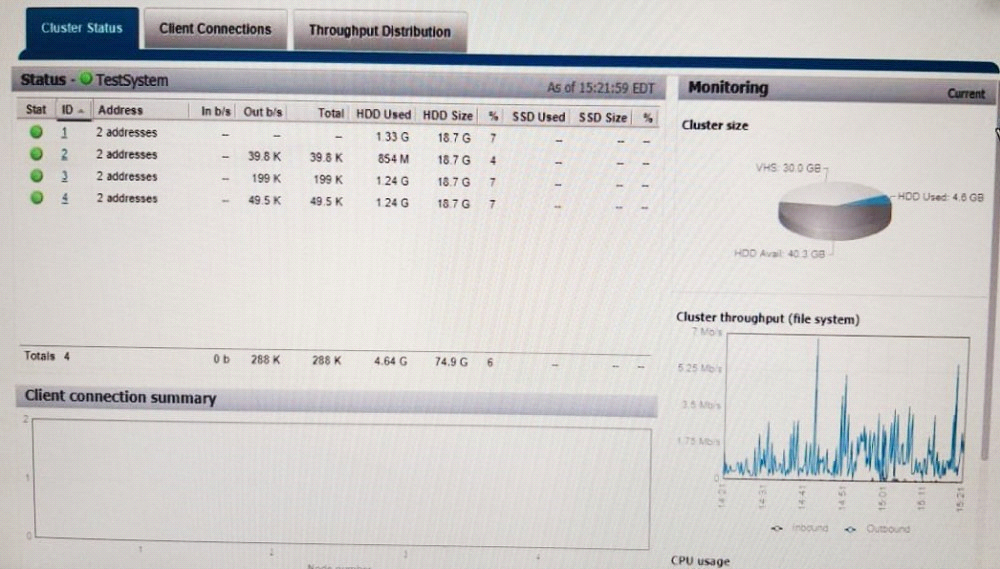
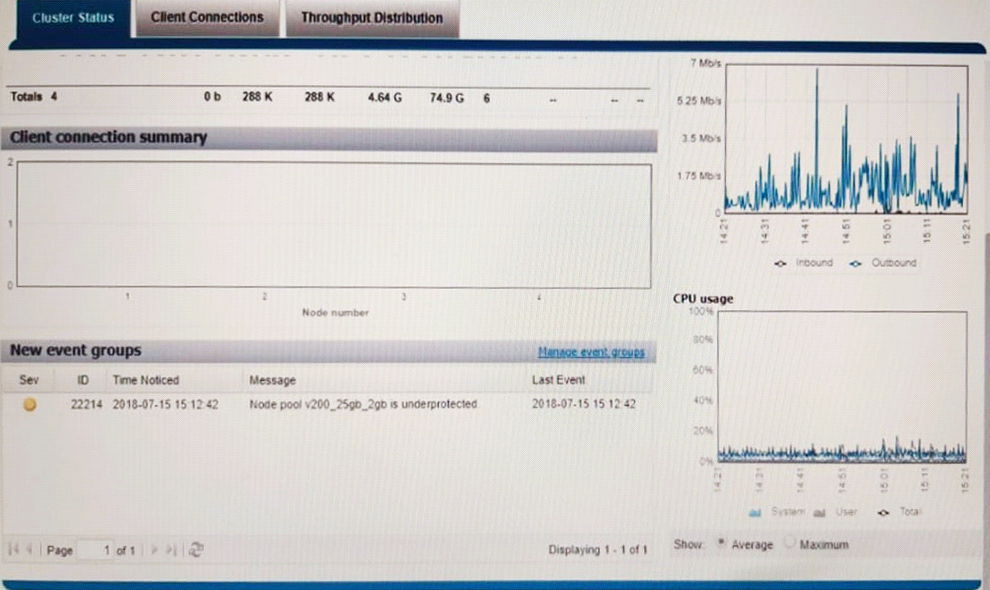
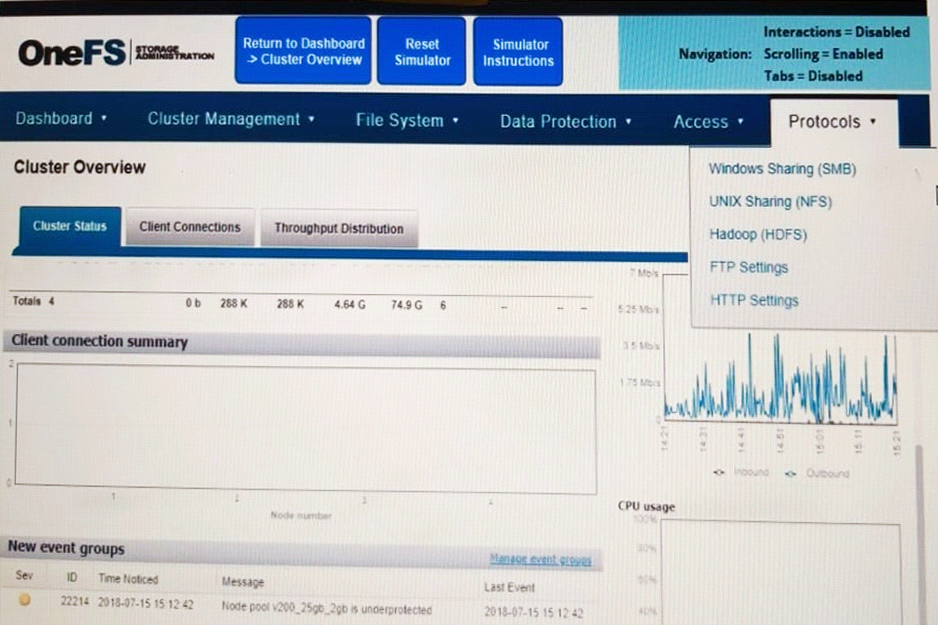
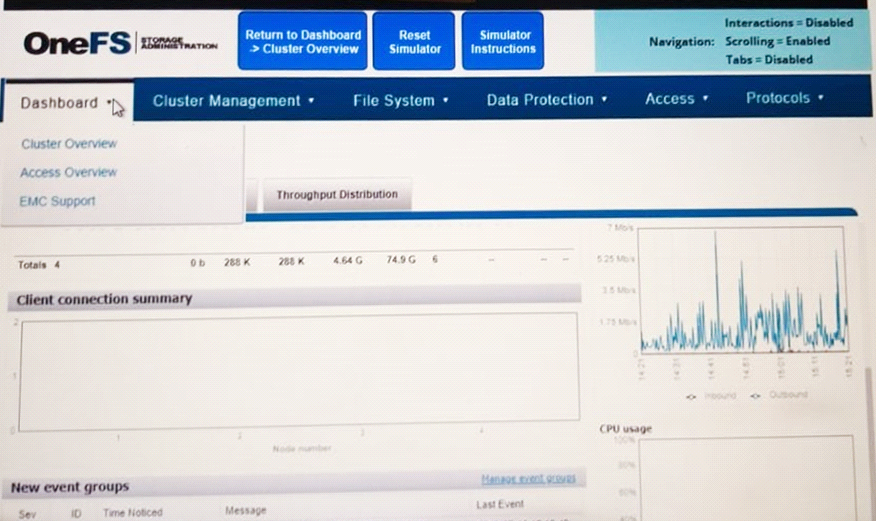
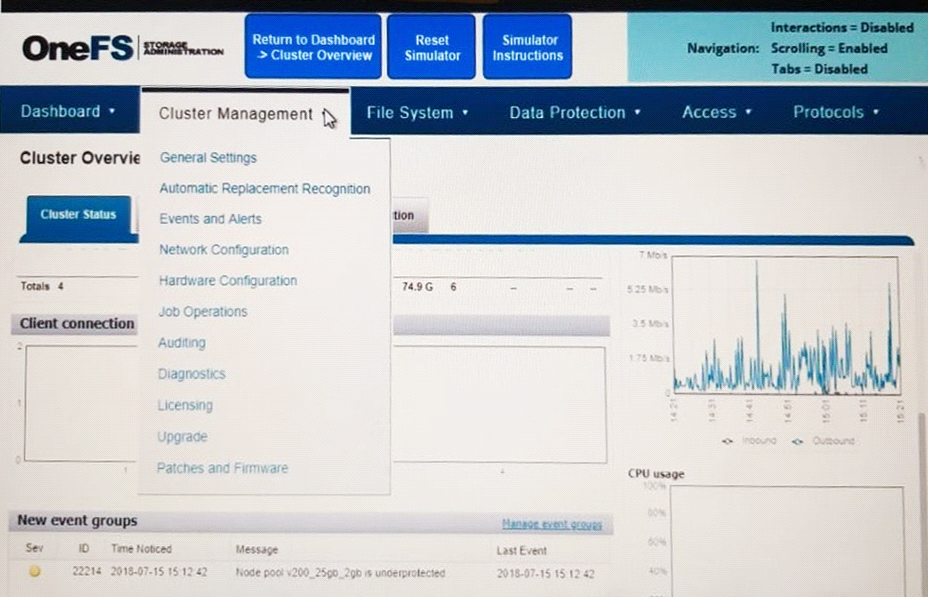
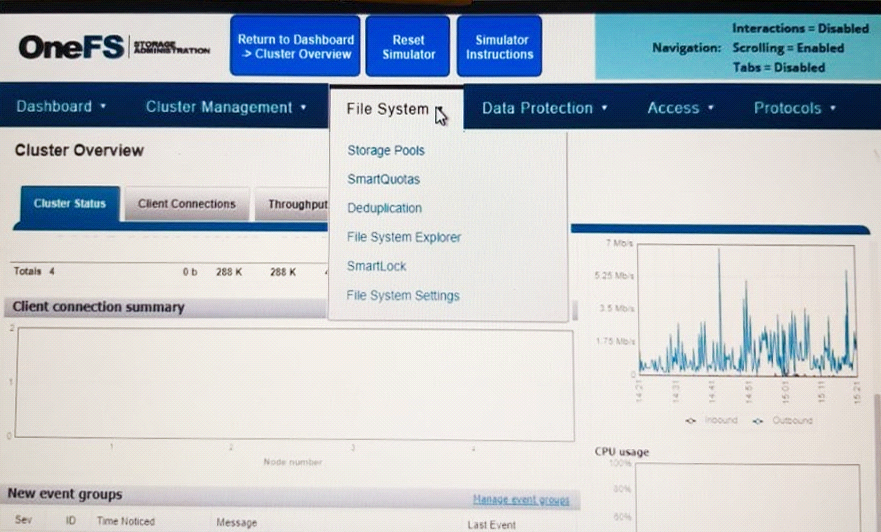
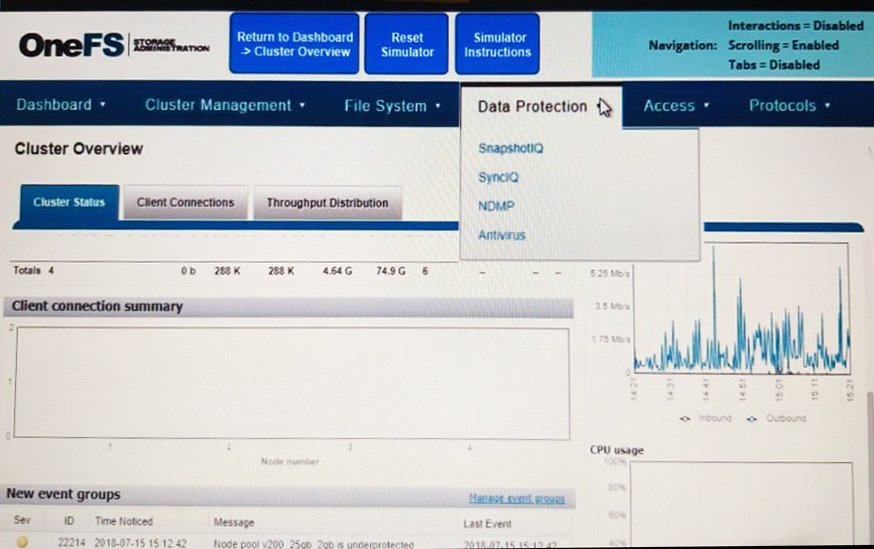
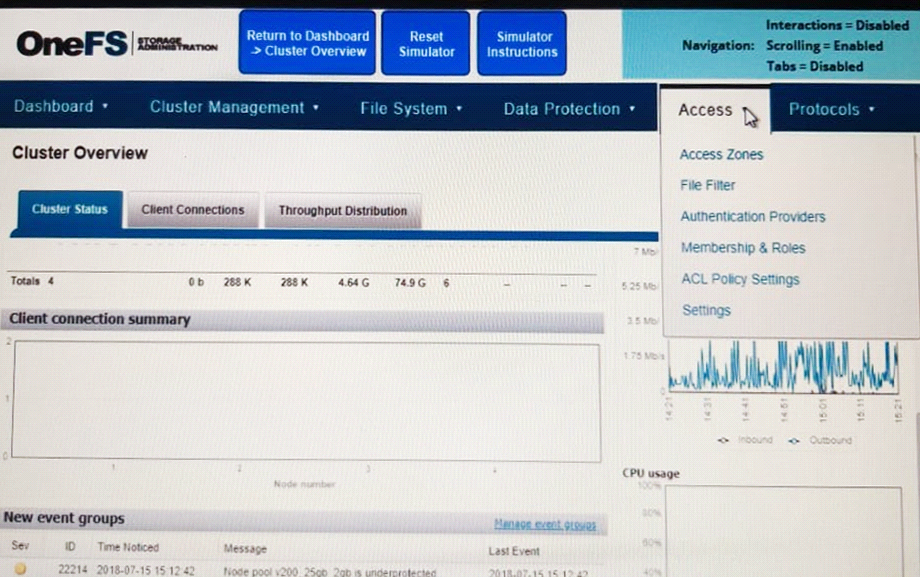
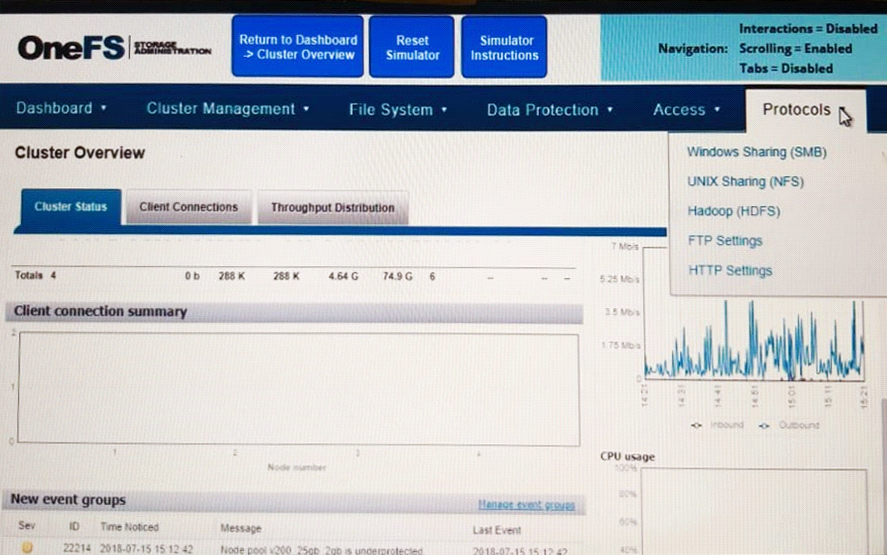
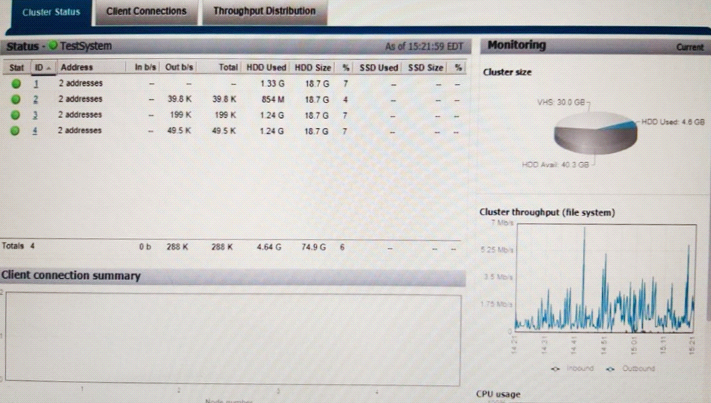
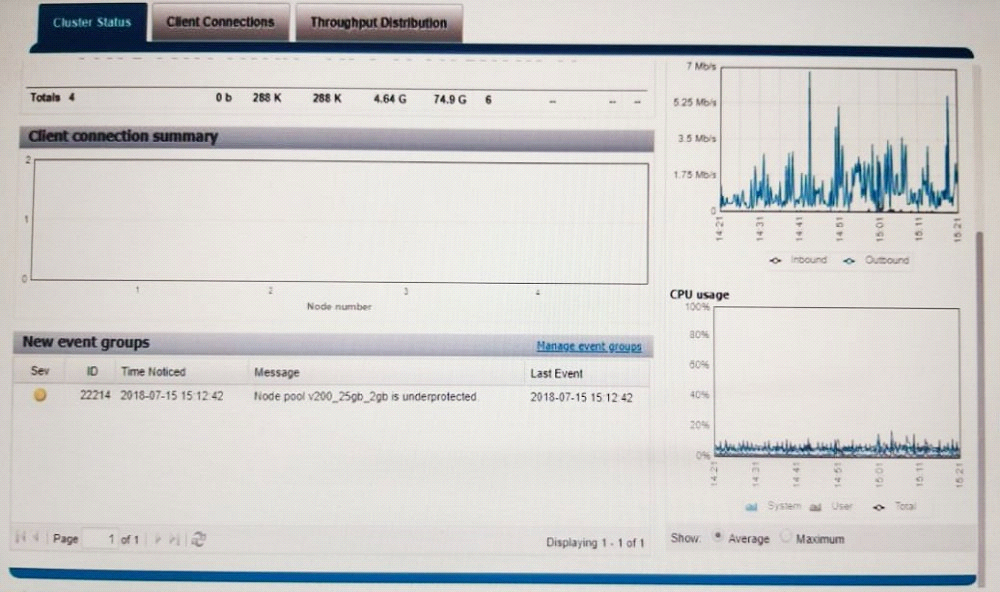
Based on your findings, which operation should be performed to address the delays?
SynclQ policies are being configured between two Dell EMC Isilon clusters at a company's location. In addition, the company wants the ability to perform a failover at an Access zone level. Which actions should be performed to meet the requirements?
Unlock All Questions for Dell EMC DEE-1421 Exam
Full Exam Access, Actual Exam Questions, Validated Answers, Anytime Anywhere, No Download Limits, No Practice Limits
Get All 60 Questions & Answers